 |
|
 |
|
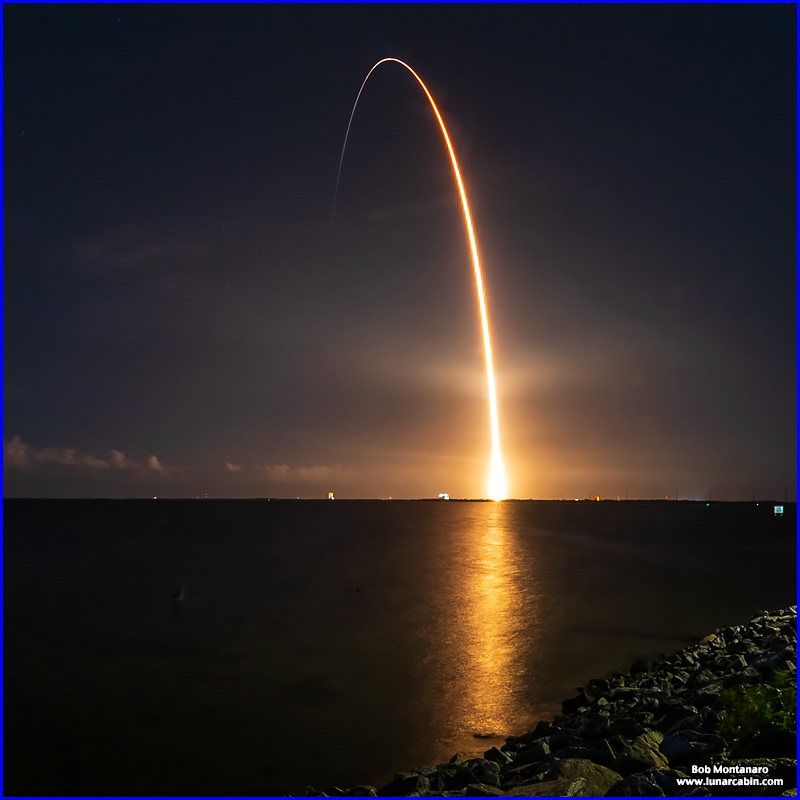
Amazon Leo 8 (Atlas V) 2 July 2026 |
Space Launch Complex 41 Cape Canaveral Space Force Station |
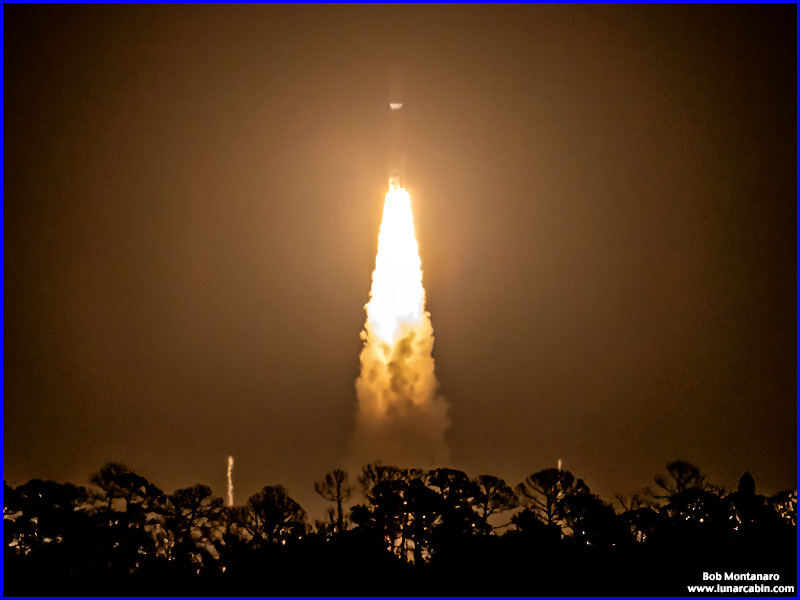
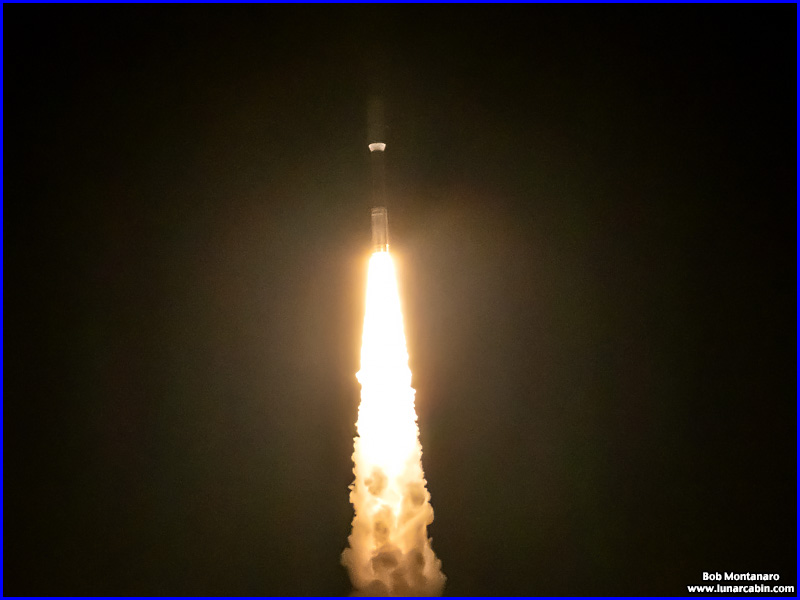
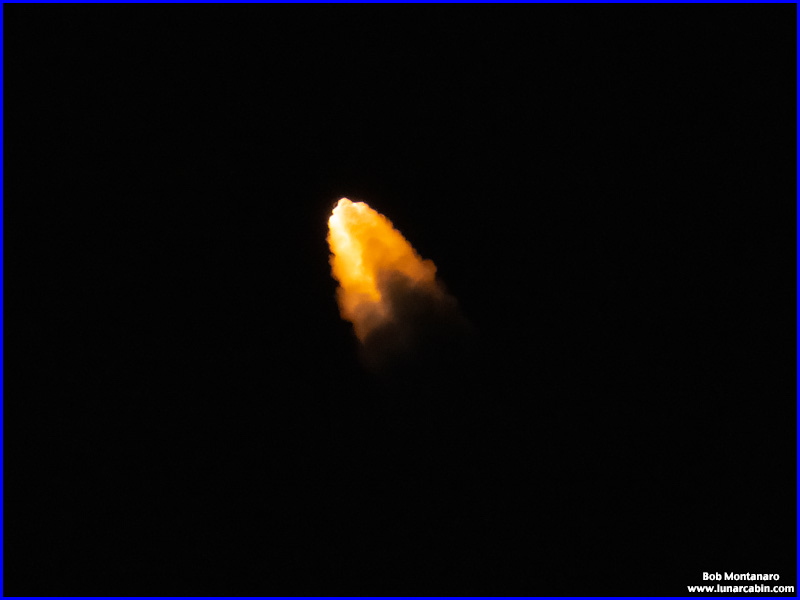
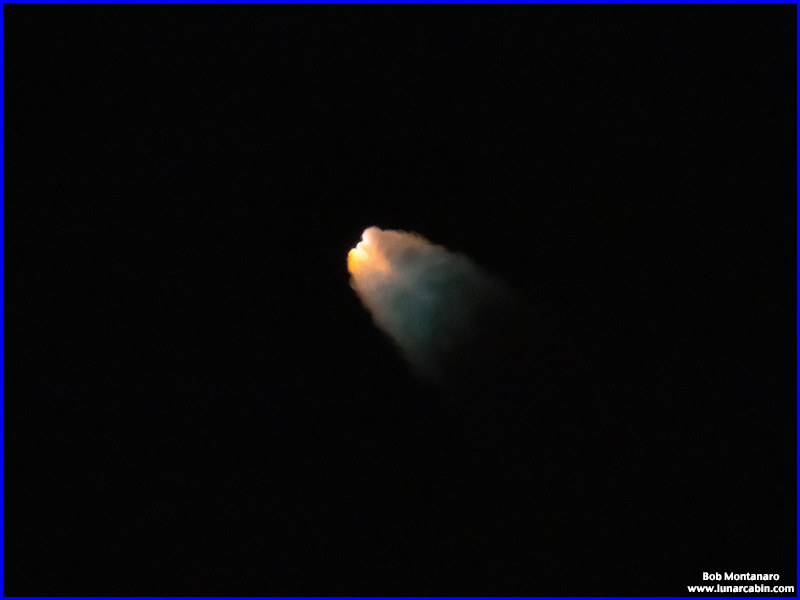
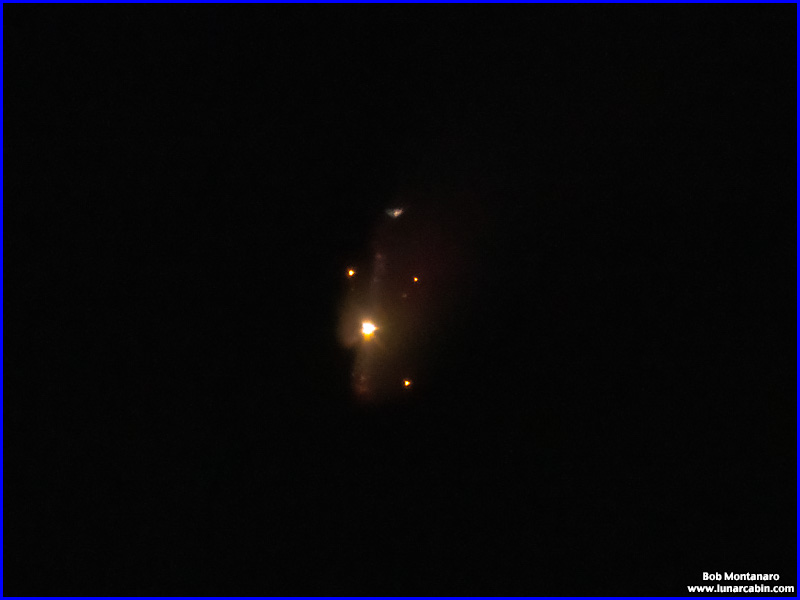
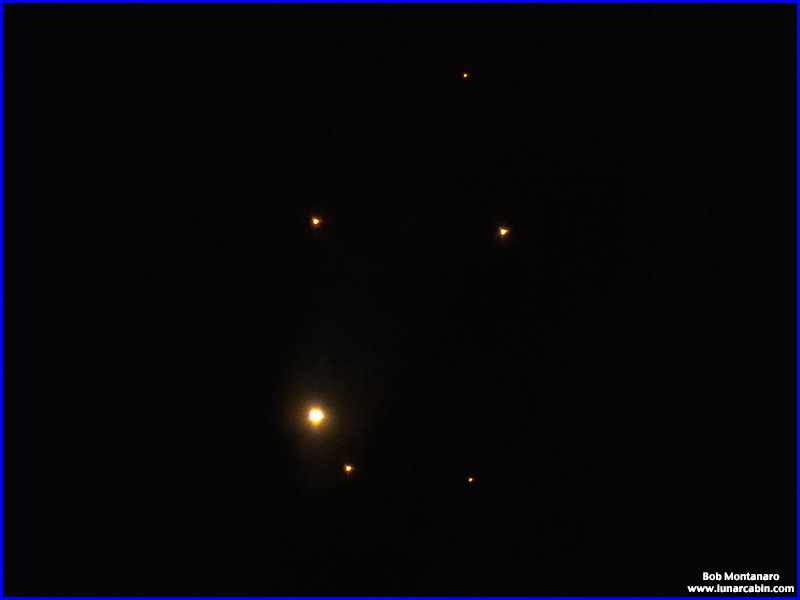
A United Launch Alliance (ULA) Atlas V 551 rocket, configured with five side-mounted solid rocket boosters and a medium-length payload fairing, launched the Amazon Leo 8 mission into orbit from Space Launch Complex-41 at Cape Canaveral Space Force Station at 12:30 a.m. on 2 July 2026. This launch added another 29 active commercial satellites to Amazon’s growing Leo constellation, expanding the constellation to 375+ satellites already deployed, with ULA launching 224 of those satellites. Amazon Leo's goal is to deliver fast, reliable internet to customers and communities beyond the reach of existing networks using a constellation of 3,000 satellites orbiting the Earth. |
|
 |
|
 |
|
 |
|
 |
|
 |
|
 |
|
 |
|
 |
|
 |
|
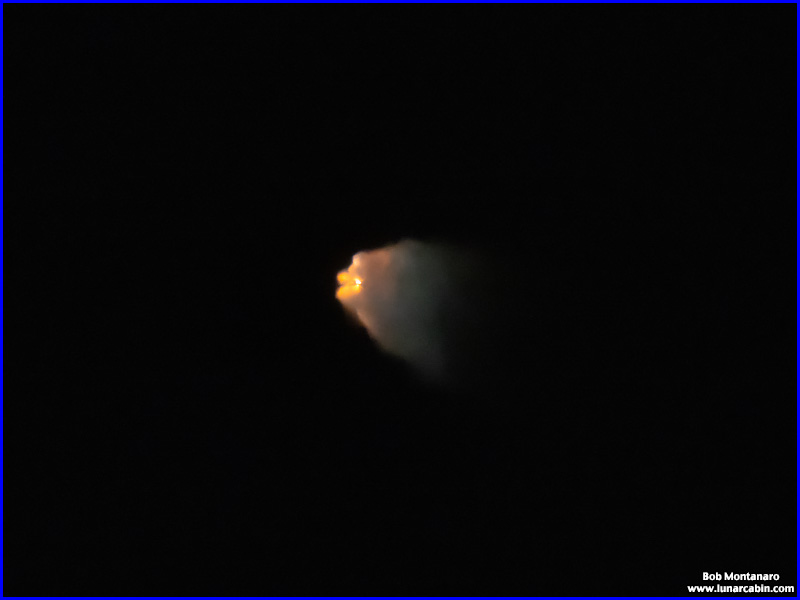
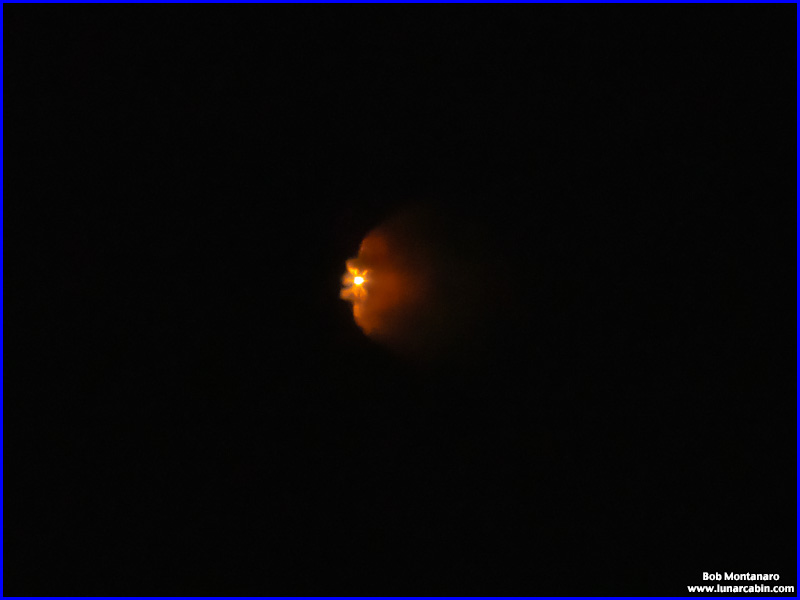
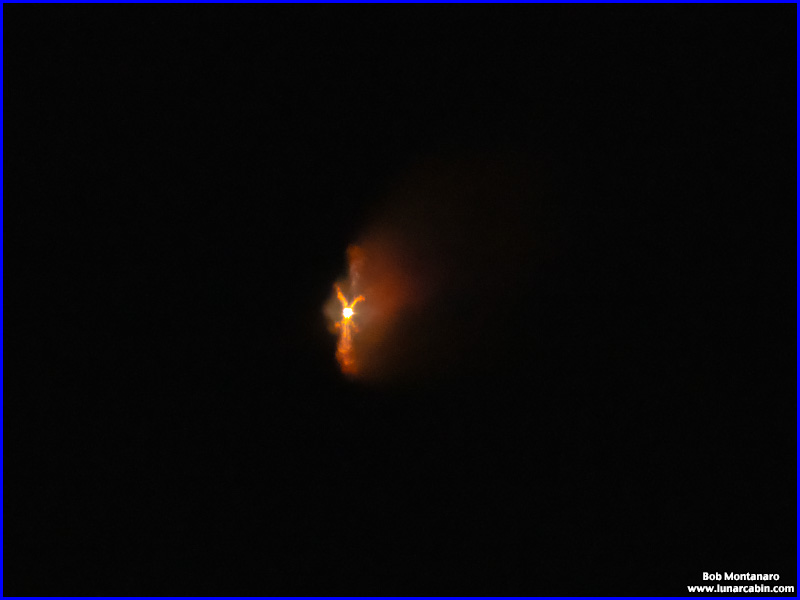
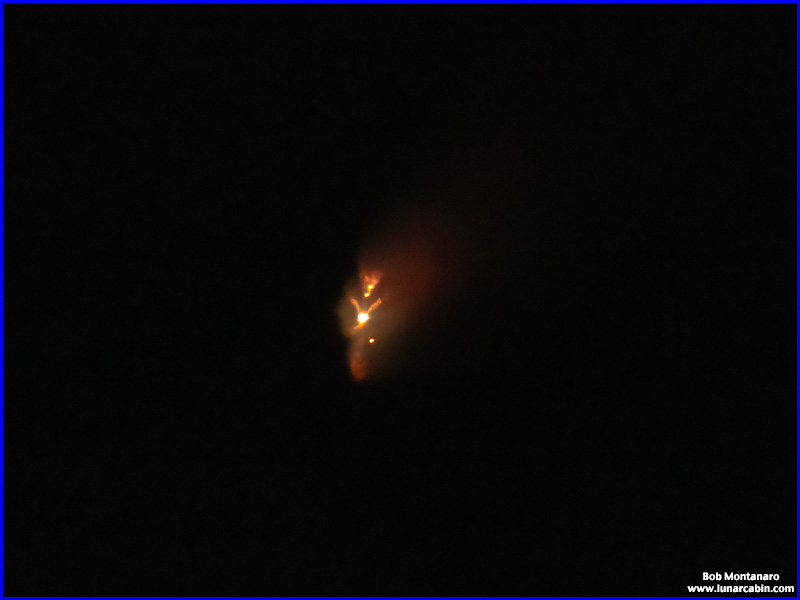
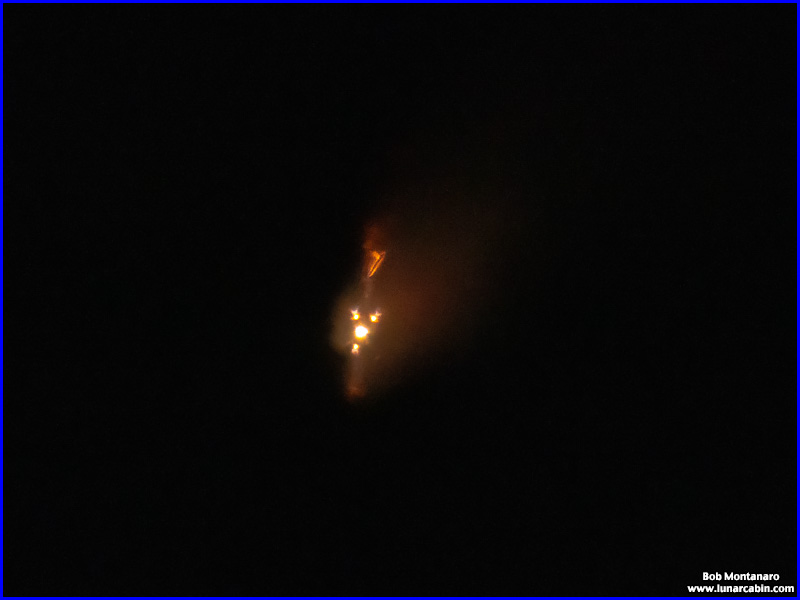
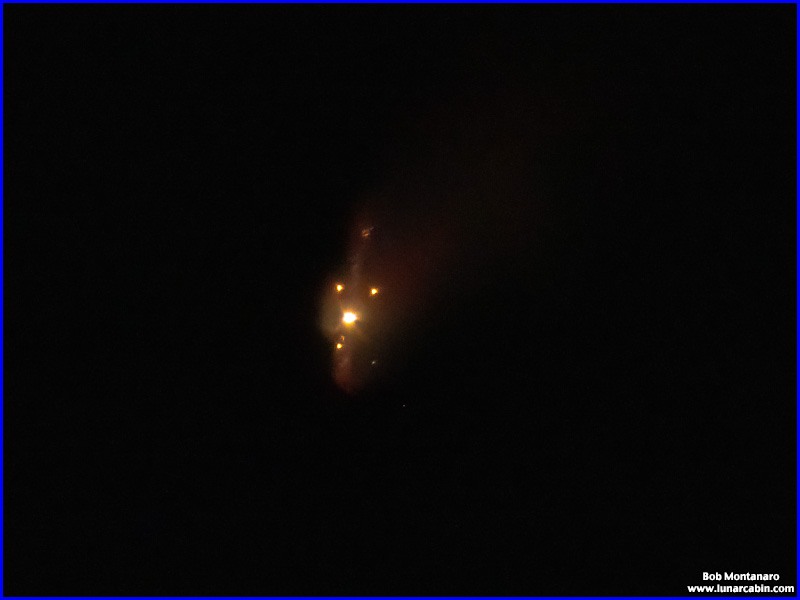
Burnout and jettison of the solid rocket boosters. |
|
 |
|
 |
|
 |
|
 |
|
 |
|
 |
|
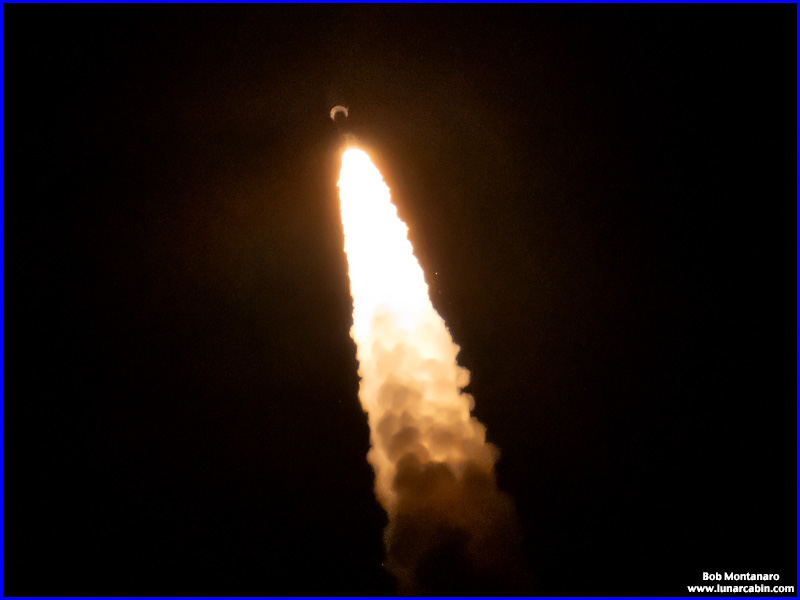
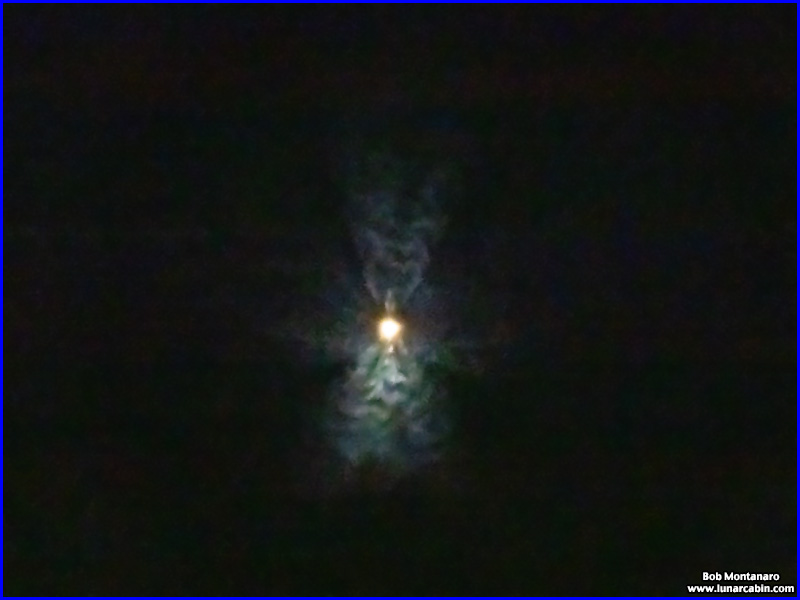
Second stage rocket plume. |
|
EXCERPT FROM A CAPE CANAVERAL SPACE FORCE MUSEUM MEDIA RELEASE |
|
The final Atlas V 551 thundered into the Florida night just after midnight, closing one of the most remarkable chapters in launch history. Yet every ending in spaceflight is also a beginning. As Atlas V steps aside, a new generation of rockets is already carrying the legacy forward. Last night's mission marked a series of historic finales:
The mighty "551" designation meant five solid rocket boosters, a five-meter fairing, and one RL10-powered Centaur engine, creating the most powerful Atlas V variant ever flown. First launched on 19 January 2006 with NASA's legendary New Horizons mission to Pluto, the configuration completed 23 successful flights over two decades, all from Cape Canaveral. Those 23 missions formed a remarkable résumé. Atlas V 551 carried:
Every Atlas V 551 lifted off from historic Space Launch Complex 41 on Cape Canaveral Space Force Station. Originally built for the mighty Titan III program in the 1960s, LC-41 later launched Titan IV rockets before being transformed for Atlas V operations beginning in 2002. Today, it continues its story as the home of ULA's next-generation Vulcan rocket. Farewell, Atlas V 551. |
|
All contents copyright Lunar Cabin |
|