 |
|
 |
|
MRV-MEP (Falcon 9) 21 July 2026 |
Space Launch Complex 40 Cape Canaveral Space Force Station |
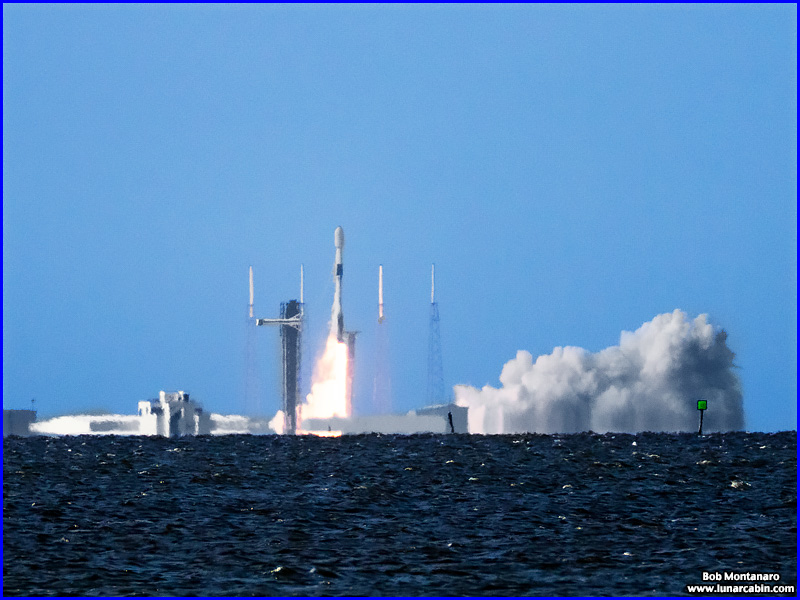
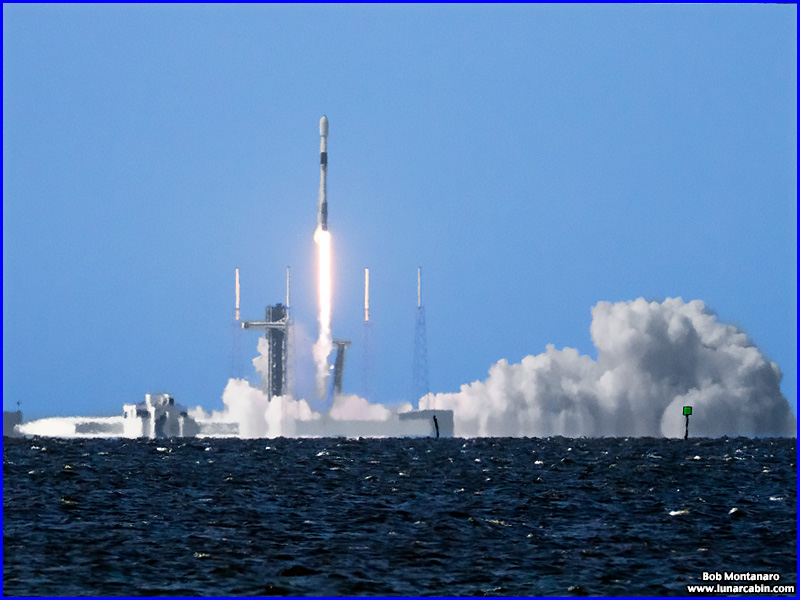
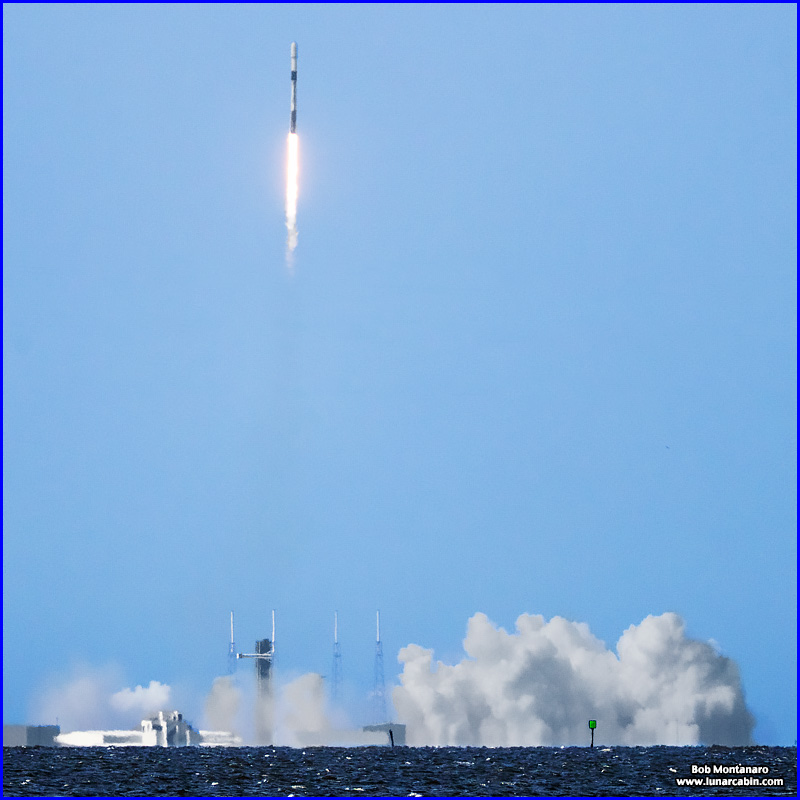
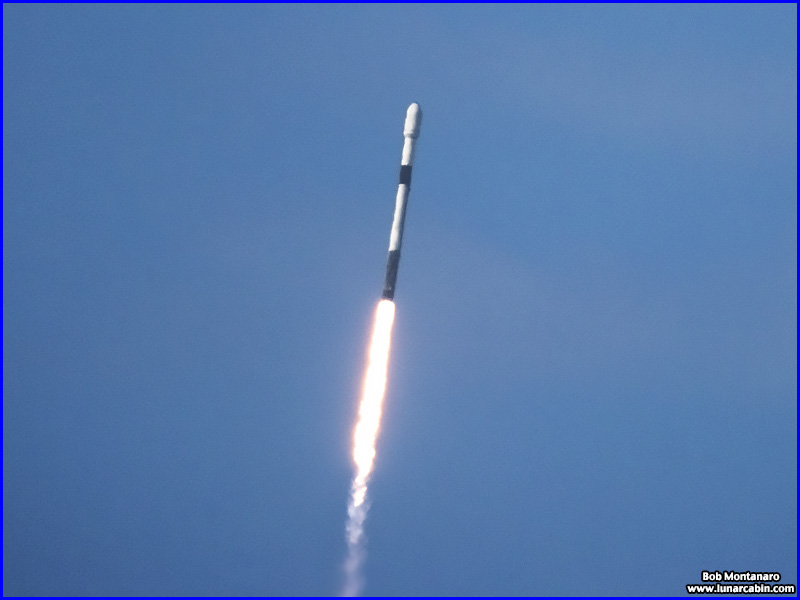
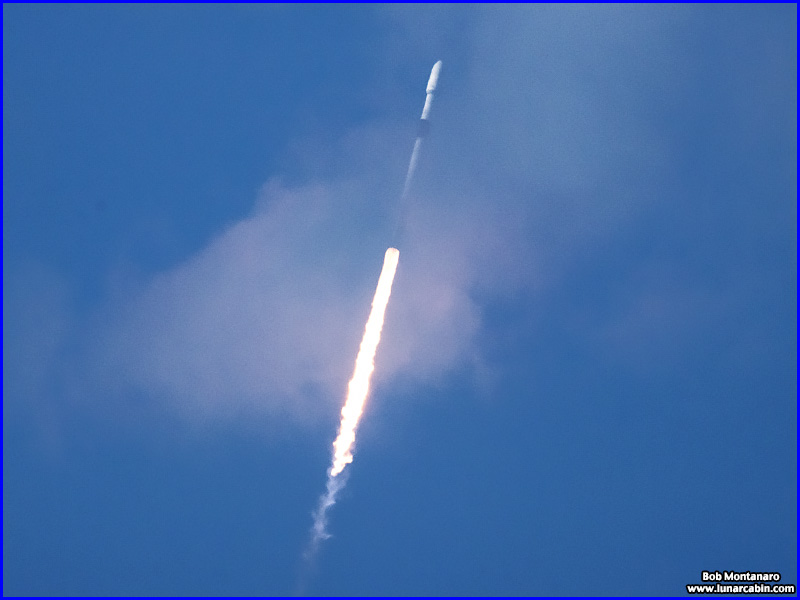
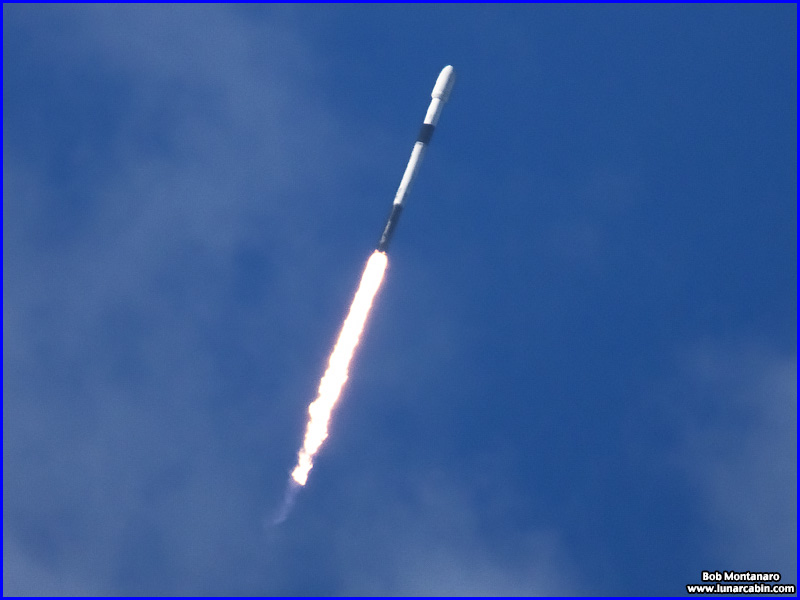
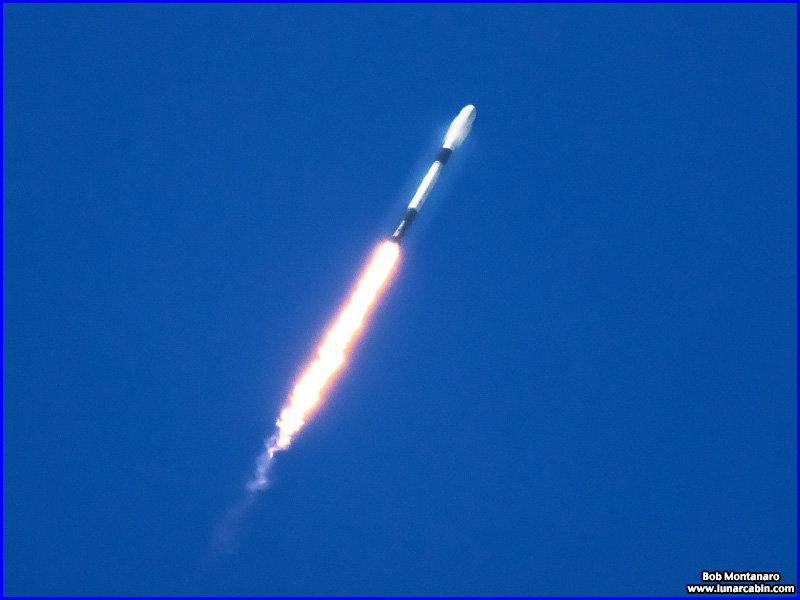
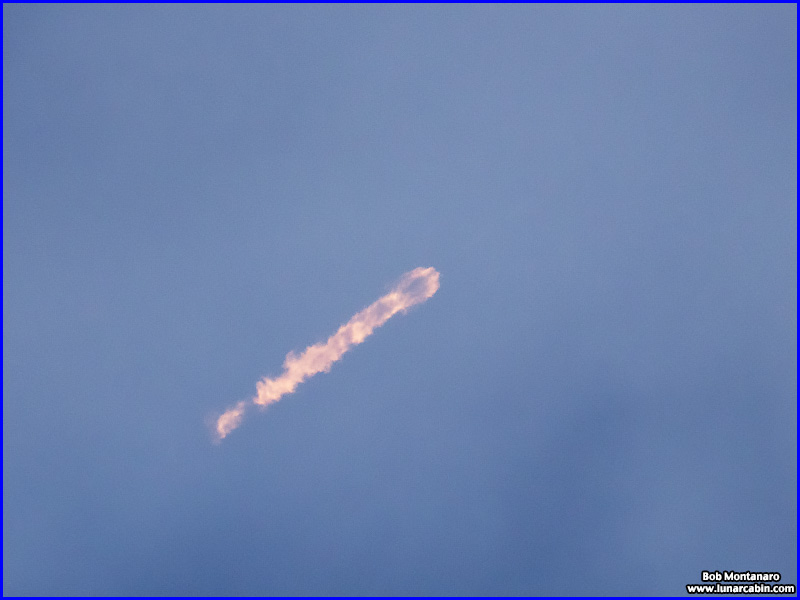
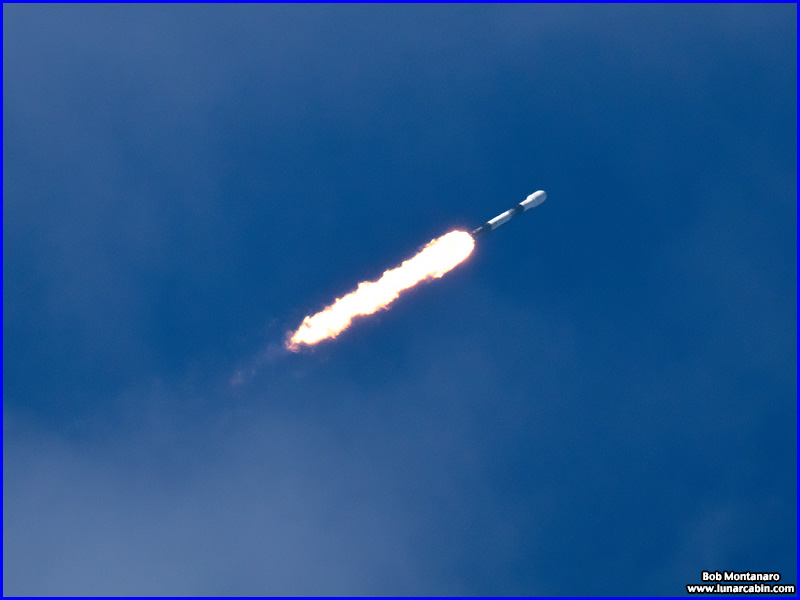
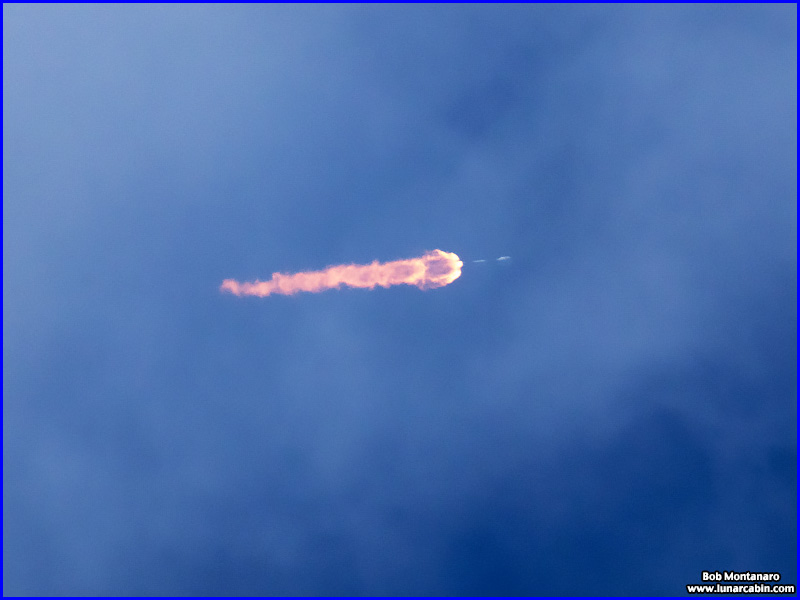
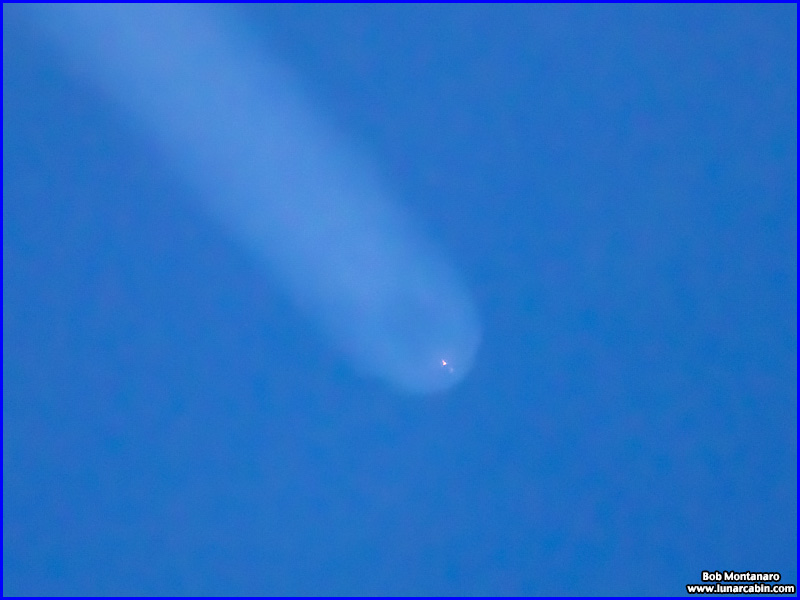
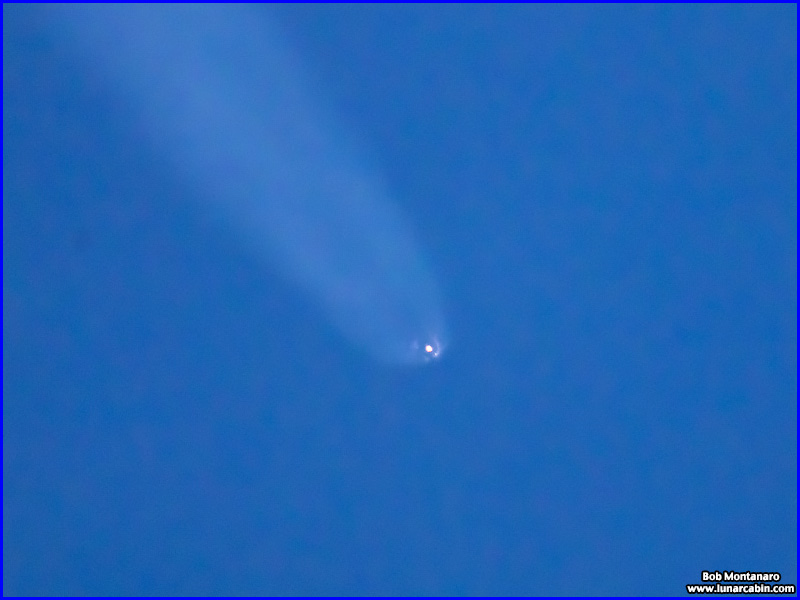
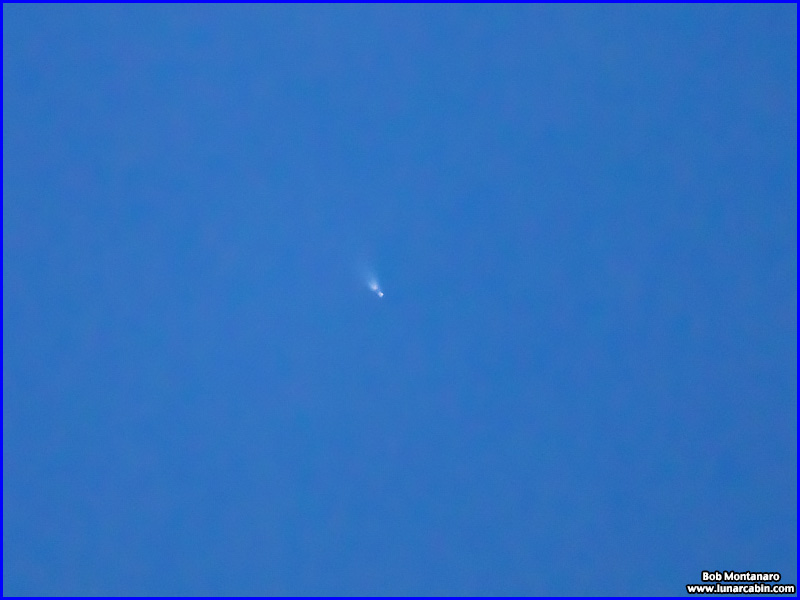
A SpaceX Falcon 9 rocket launched the Northrop Grumman Mission Robotic Vehicle - Mission Extension Pods (MRV-MEP) mission to geosynchronous transfer orbit from Space Launch Complex 40 (SLC-40) at Cape Canaveral Space Force Station at 5:15 p.m. on 21 July 2026. Due to the additional performance needed to launch these payloads to geosynchronous transfer orbit, this was the 32nd and final flight for the Falcon 9 first stage booster supporting this mission, which previously launched CRS-24, Eutelsat HOTBIRD 13F, OneWeb 1, SES-18 and SES-19, and 27 Starlink missions. |
|
 |
|
 |
|
 |
|
 |
|
 |
|
 |
|
 |
|
 |
|
 |
|
 |
|
 |
|
 |
|
 |
|
EXCERPTS FROM NORTHROP GRUMMAN MRV-MEP MEDIA RELEASES |
|
 |
|
Image Credit: Northrop Grumman |
|
The MRV is SpaceLogistics’ next-generation on-orbit servicing vehicle to meet the support and maintenance needs of satellites in Geostationary Earth Orbit (GEO). The MRV leverages the heritage Rendezvous Proximity Operations and Docking (RPOD) system of its highly-acclaimed predecessor, the Mission Extension Vehicle (MEV), but incorporates a robotic module in place of the MEV’s docking system. While the MRV’s primary function will be the installation of Mission Extension Pods (MEPs) or other augmentation payloads on current operational satellites, its sophisticated robotics expands the benefits the MEV currently offers to include:
About the Mission Extension Pod (MEP) Sold as a product, the MEP is a small, customer-owned, customer-controlled propulsion augmentation device that is installed by the SpaceLogistics Mission Robotic Vehicle (MRV) on a client satellite already on-orbit and running low on fuel. Once installed, the MEP uses electric propulsion to provide orbit control and momentum unloading for a client satellite. The MEP is controlled by the customer via a self-contained C- or Ku-band telemetry and command system, and capable of providing up to eight years of life extension for a typical 2,000 kg satellite in GEO. The MEP continues SpaceLogistics’ “keep it simple” strategy for delivering on-orbit servicing, providing a solution to sustain maneuver for client satellites that are not prepared for refueling. |
|
All contents copyright Lunar Cabin |
|