 |
|
 |
|
Artemis 2 (Space Launch System) 1 April 2026 |
Launch Complex 39B Kennedy Space Center |
PAGE TWO OF TWO |
|
 |
|
 |
|
 |
|
 |
|
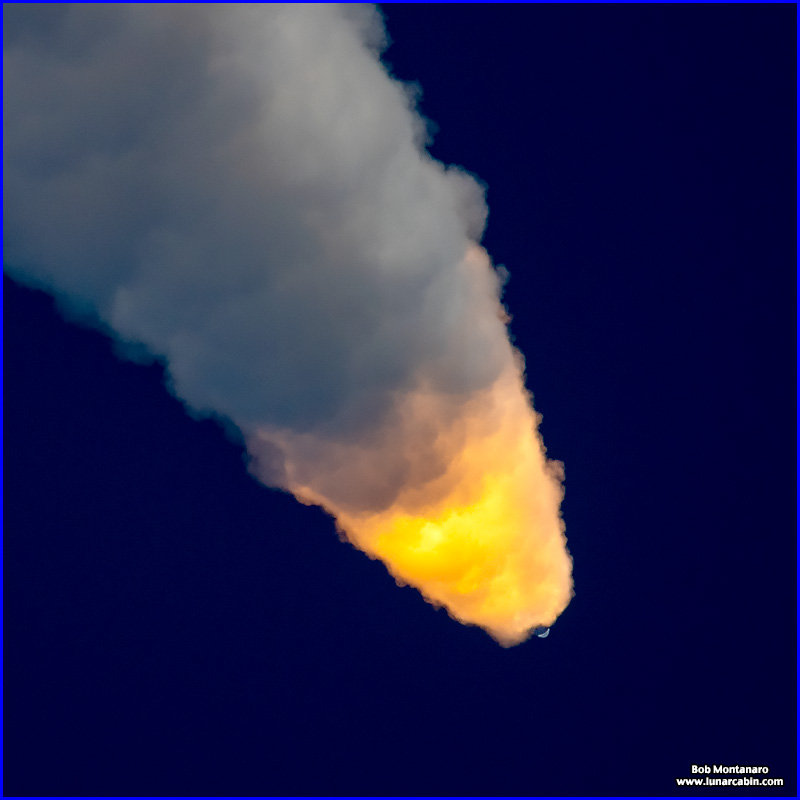
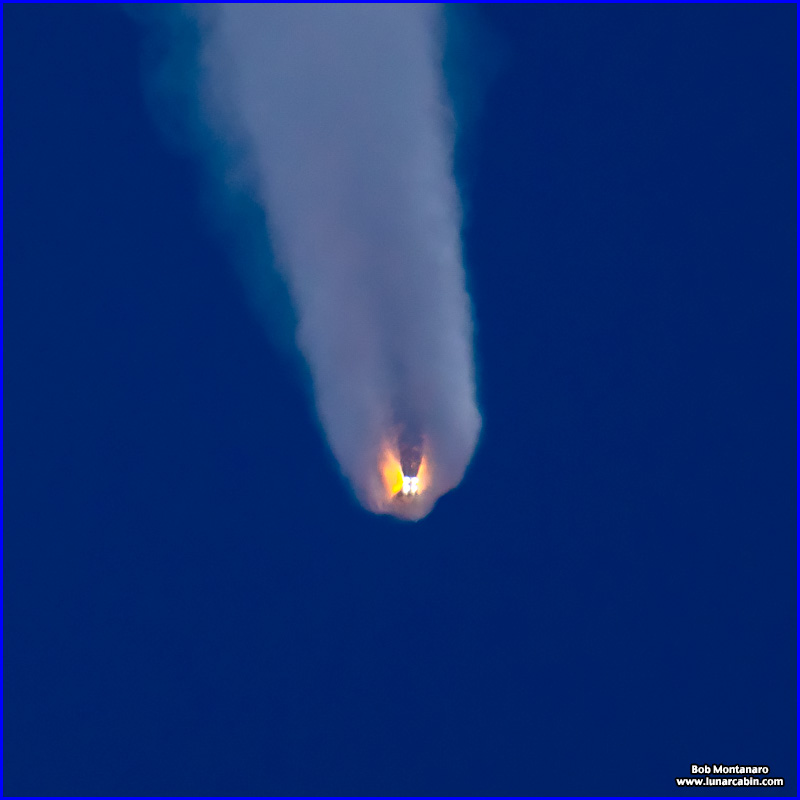
Burn out of the Solid Rocket Boosters. |
|
 |
|
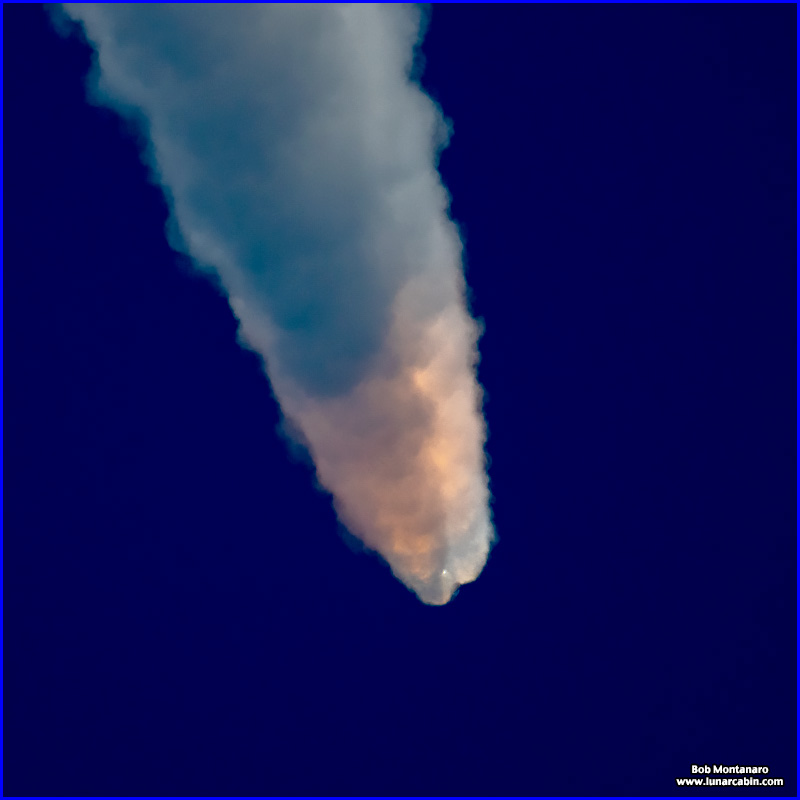
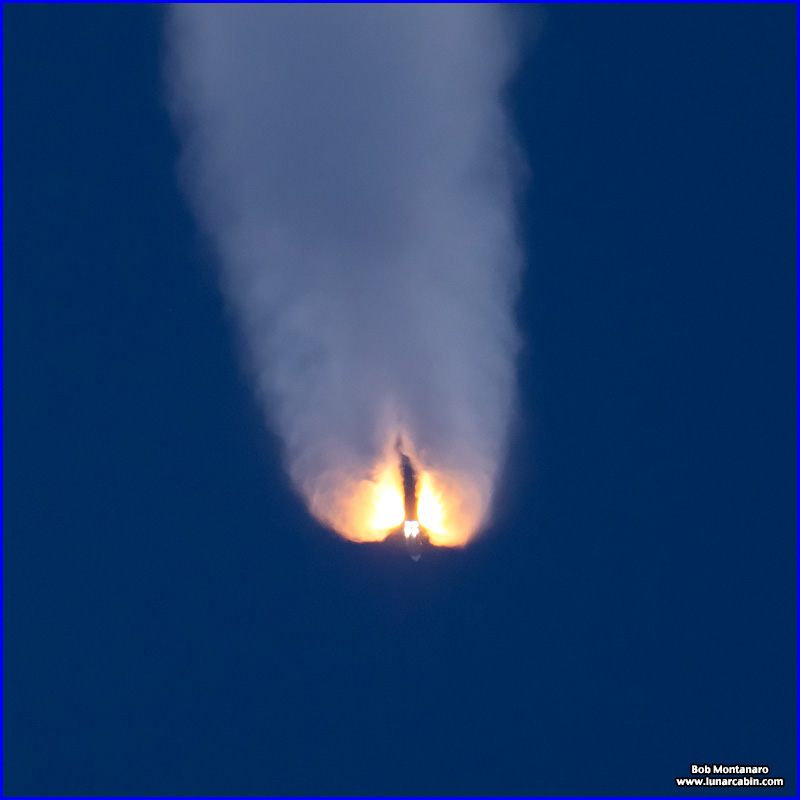
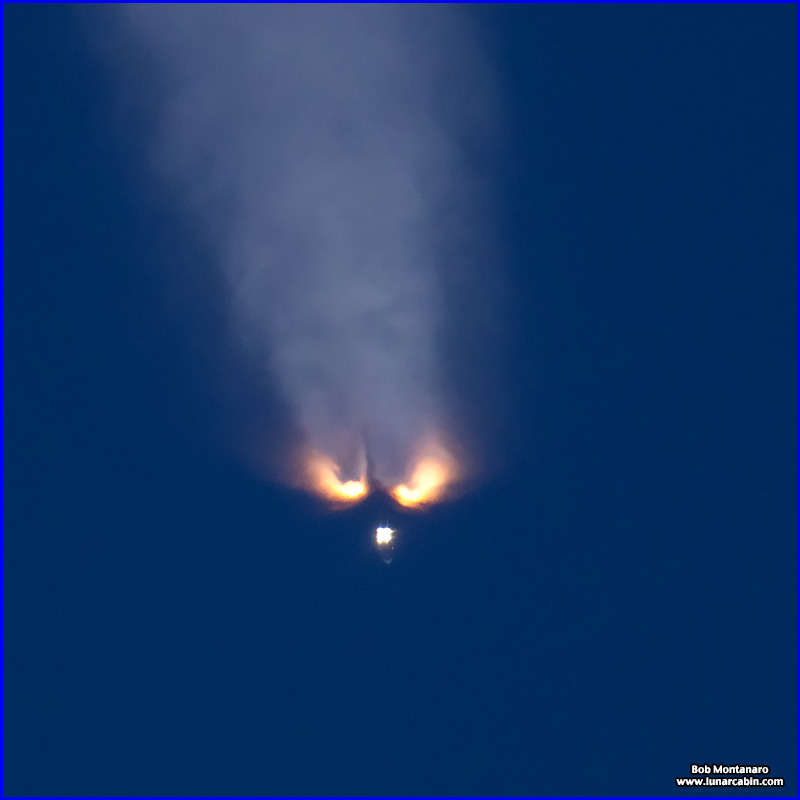
Separation of the Solid Rocket Boosters from the Core Stage. |
|
 |
|
 |
|
 |
|
 |
|
 |
|
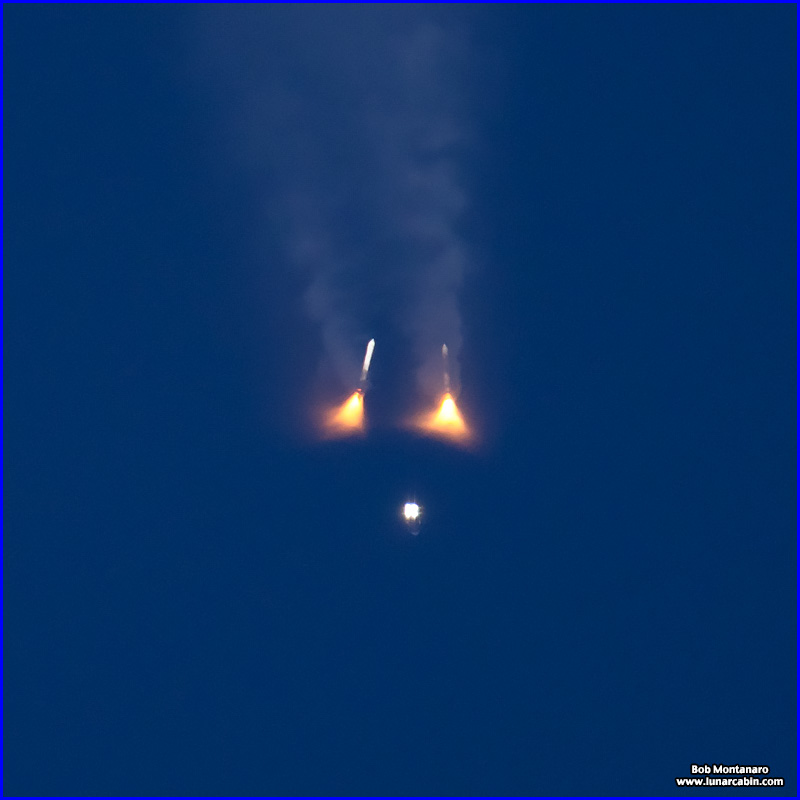
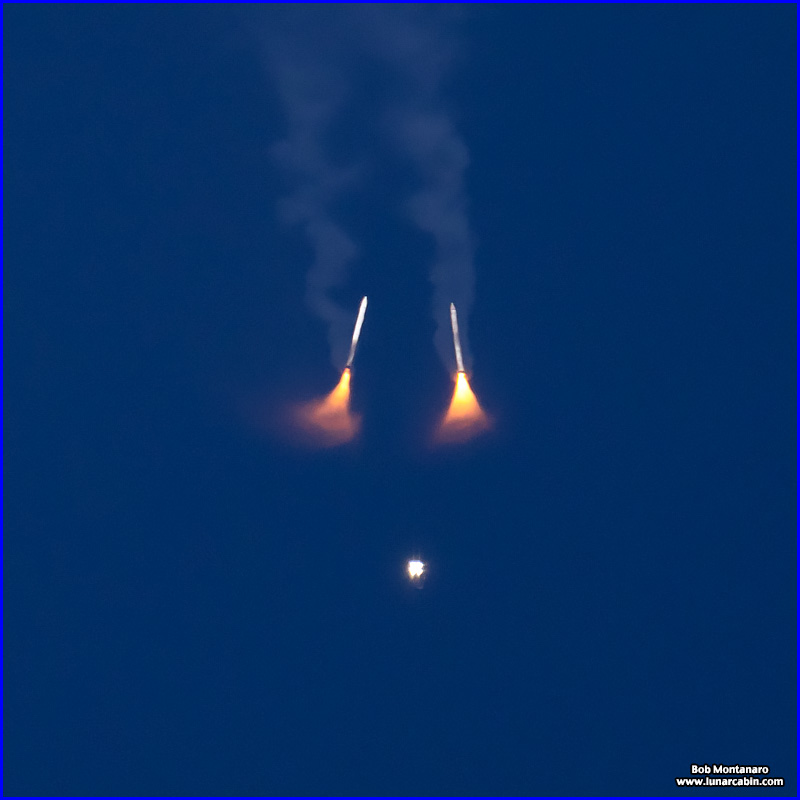
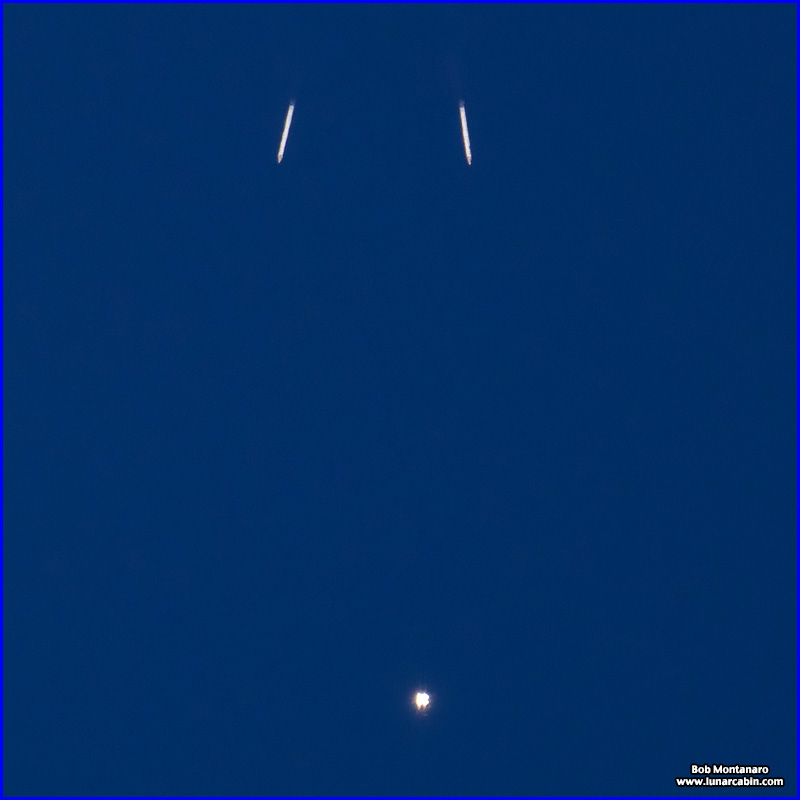
| The Boosters tumble to a splashdown in the Atlantic Ocean. They are not recovered. The Core Stage can be seen continuing on carrying the upper stage and Orion spacecraft to orbit. | |
NASA ARTEMIS 2 MEDIA RELEASES |
|
 |
|
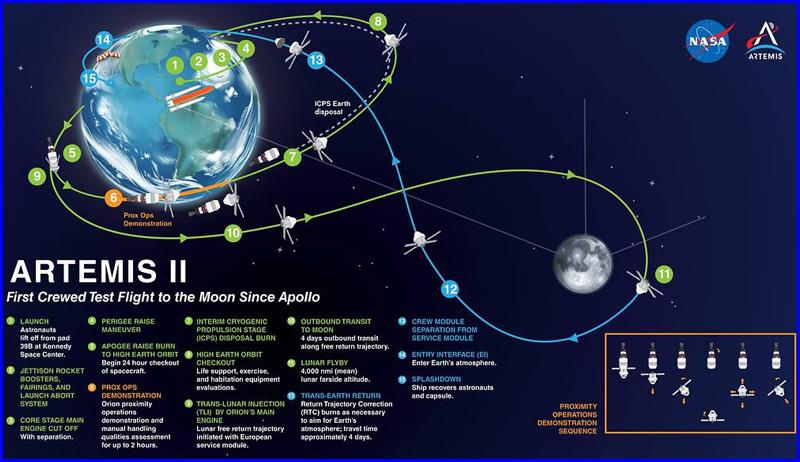
The Artemis 2 flight path around the Moon. Image credit: NASA |
|
 |
|
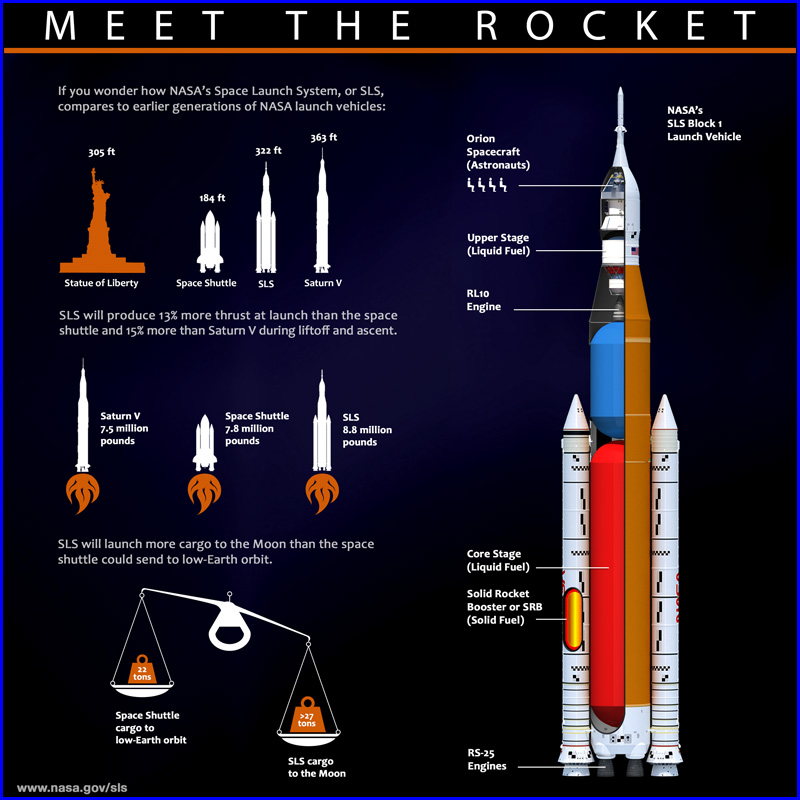
Facts about the SLS rocket. Image credit: NASA |
|
 |
|
The Artemis 2 crew. Image credit: NASA |
|
 |
|
The Artemis 2 mission path. Image credit: NASA |
|
| According to NASA: "The official Artemis II mission crew patch. The Artemis II test flight begins when a mighty team launches the first crew of the Artemis generation. This patch designates the mission as “AII,” signifying not only the second major flight of the Artemis campaign, but also an endeavor of discovery that seeks to explore for all and by all. Framed in Apollo 8’s famous Earthrise photo, the scene of the Earth and the Moon represents the dual nature of human spaceflight, both equally compelling: The Moon represents our exploration destination, focused on discovery of the unknown. The Earth represents home, focused on the perspective we gain when we look back at our shared planet and learn what it is to be uniquely human. The orbit around Earth highlights the ongoing exploration missions that have enabled Artemis to set sights on a long-term presence on the Moon and soon, Mars." | |
All contents copyright Lunar Cabin |
|